Wildlife Tours
That inspire you.
Whether you’re a nature lover, an adventure seeker, or simply curious, our tours are designed to offer you unforgettable moments.
Our wildlife Tours
Find Your Perfect Adventure

🗓️ 4 days Andasibe
General wildlife Tour | €675 per person – Based on 2 People – Sharing room
Periode – January to December
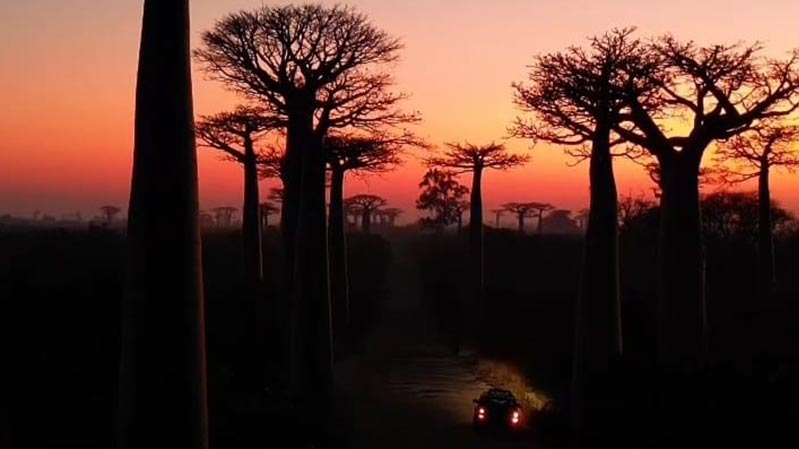
🗓️09 day from the rainforest to Baobab avenue
Herping Tour | €1315 per person – Based on 2 People
Period: June to October
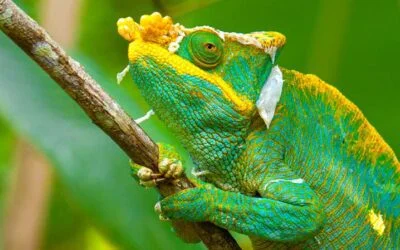
🗓️16 day from eastern to southern
Herping Tour | €2875 per person – Based on 2 People
Periode – September to June
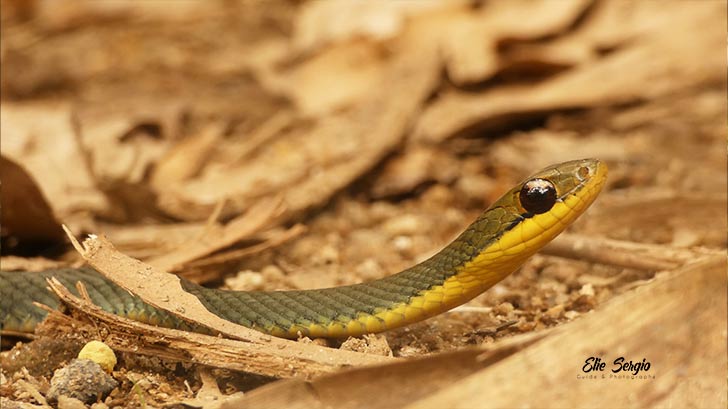
🗓️14 day Northern Madagascar herping expedition
Herping expedition | €1425 per person – Based on 4 People
Periode – December to February

🗓️17 day for Herping in Northern
Herping expedition | €2,614 per person – Based on 4 People – 2 people per room.
Periode – December to February
🗓️21 day from East to West and South
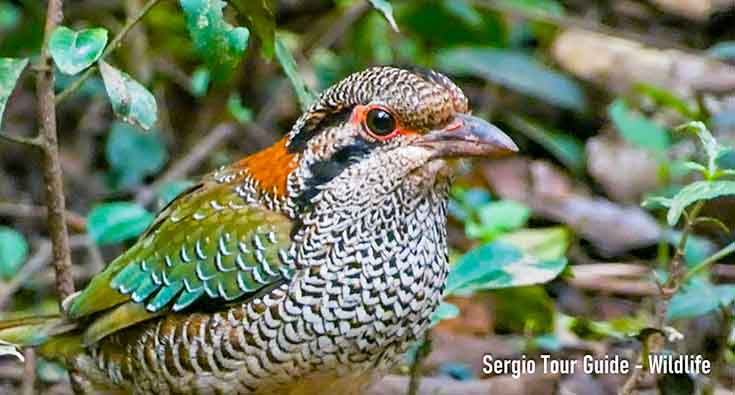
Birding Tour | €2907 per person – Based on 2 People.
Periode – September to November
Why choose our Madagascar wildlife tours?
Expert Local Guides
10+ years of experience across Madagascar’s ecosystems.
Custom Itineraries
Tailor-made tours designed around your interests.
Wildlife Photography
Capture rare species in unique habitats.
Daily Schedule on Madagascar Wildlife Tours
Wildlife tours in Madagascar follow natural animal activity patterns to maximize your encounters with lemurs, chameleons, and other endemic species. Your day begins early, as dawn offers the best opportunities for spotting active wildlife. Furthermore, arriving at parks before other tour groups is essential—undisturbed animals are more visible, relaxed, and exhibit natural behaviors. This strategic timing separates exceptional wildlife tours from ordinary ones.





Frequently Asked Qu
estions:
How physically demanding are wildlife tours? Our Madagascar wildlife tours involve moderate hiking through rainforest terrain. Daily walks typically cover 3-6 kilometers with frequent stops for wildlife observation. However, trails can be muddy and uneven, especially during rainy season. Therefore, we recommend good hiking boots and reasonable fitness levels. Nevertheless, we adjust pace to accommodate all participants and take regular breaks. If you have specific mobility concerns, contact us to discuss customized itineraries.
What should I pack for wildlife tours? Essential items include lightweight, neutral-colored clothing (avoid bright colors that disturb wildlife), sturdy waterproof hiking boots, rain jacket, insect repellent, sunscreen, and hat. Furthermore, bring binoculars for bird watching and a camera with zoom lens for wildlife photography. Additionally, pack a small daypack, reusable water bottle, and headlamp for night walks. Our guides provide detailed packing lists upon booking.
How close can we get to lemurs and other wildlife? We maintain a respectful 7-meter minimum distance from all lemurs to protect their health and natural behavior. However, lemurs often approach closer out of curiosity, especially in habitats where they’re accustomed to human presence. Meanwhile, chameleons and reptiles can be observed more closely as they’re less sensitive to human presence. Our guides ensure all wildlife encounters follow ethical practices that prioritize animal welfare.
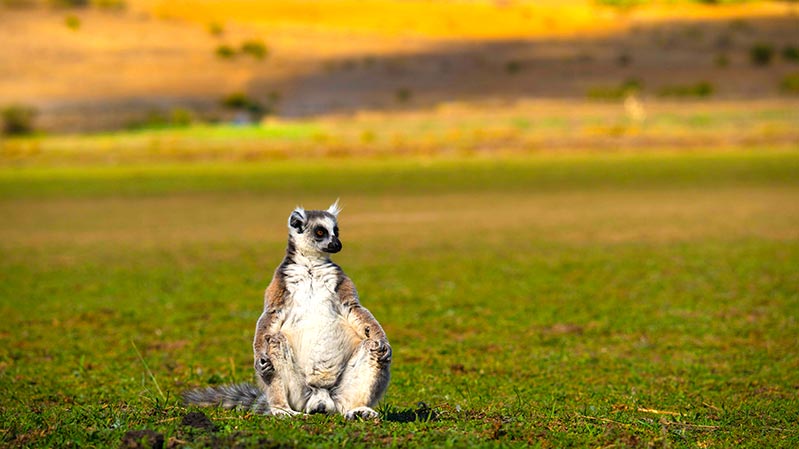


Are children welcome on wildlife tours? Yes, families are welcome on our Madagascar wildlife tours. Nevertheless, we recommend children be at least 8 years old for standard tours due to hiking requirements and long days. Moreover, we offer customized family tours with shorter walks and more flexible schedules. Children often become fascinated by chameleons, colorful frogs, and playful lemurs, making Madagascar an unforgettable educational experience.
What if we don’t see certain species? While we cannot guarantee sightings of every species, our success rate is exceptionally high. For example, Indri Indri sightings occur on 95% of our Andasibe tours. Furthermore, we spend sufficient time at each location to maximize encounters. If a particular species is your priority, we design itineraries that visit multiple habitats where they’re found, significantly increasing your chances.
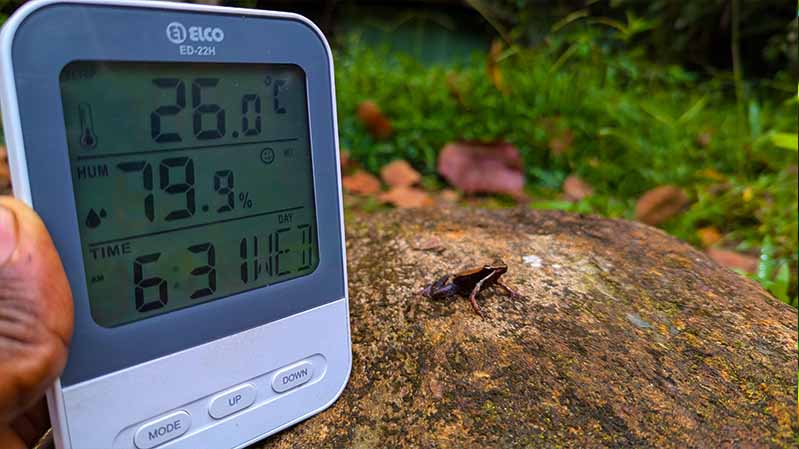
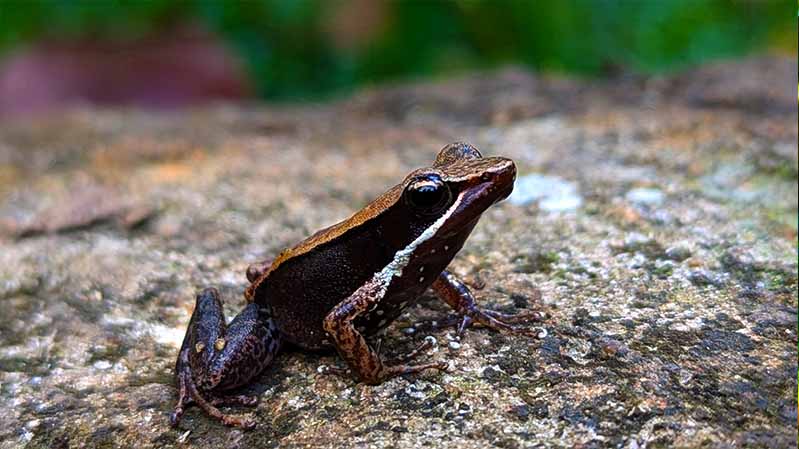
How do wildlife tours support conservation? Every Madagascar wildlife tour directly contributes to conservation efforts. Specifically, 5% of tour revenue funds local conservation projects. In addition, we employ local guides and support community-based conservation initiatives. Therefore, your tour helps protect endangered species while providing economic benefits to communities surrounding national parks.
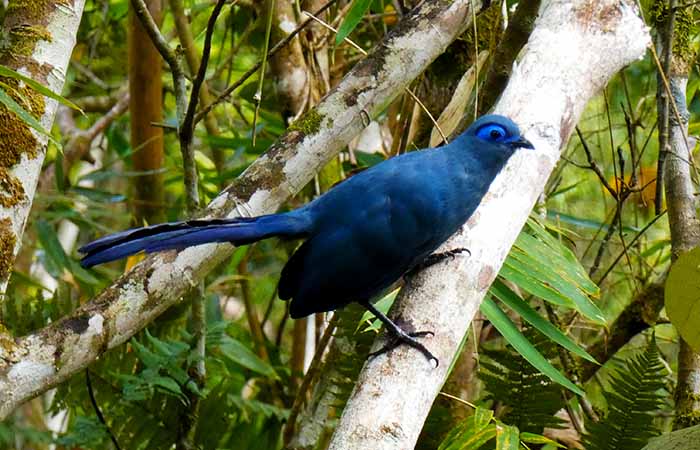
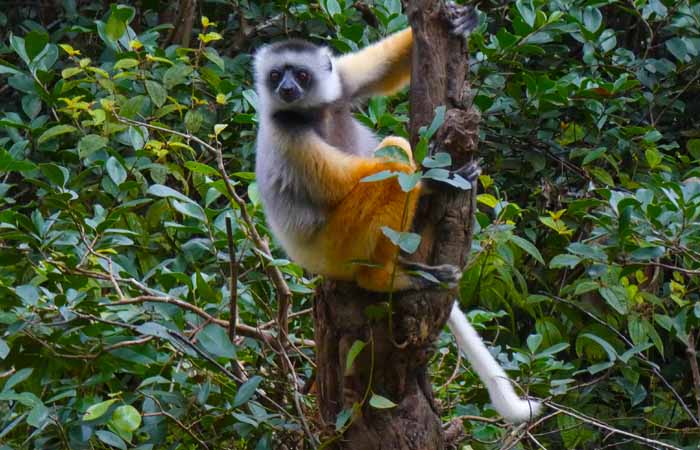


Best Time for Wildlife Tours in Madagascar.
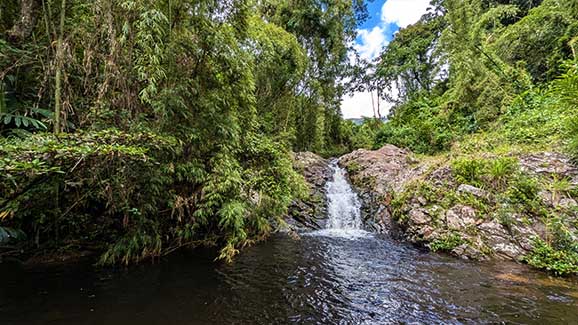
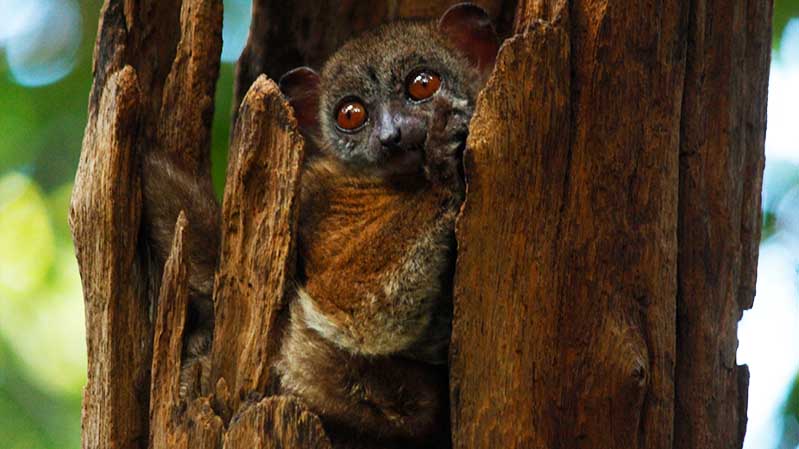
Peak Wildlife Season: April – November (Dry Season)
The dry season offers the best overall wildlife viewing conditions:
- December – May: Excellent weather, fewer tourists, active wildlife
- June – August: Peak season, cooler temperatures, best for fossa sightings
- September – November: Lemur mating season, baby animals appear, reptiles very active
Rainy Season: December – April
While wetter, this season has advantages:
- Lush vegetation, vibrant landscapes
- Amphibian activity peaks
- Fewer tourists, lower prices
- Some parks may have restricted access
Species-Specific Timing:
- Indri Indri: Best heard May – September (mating calls)
- Fossa: June – October (dry season hunting)
- Chameleons: December- April (breeding season, brightest colors)
- Humpback Whales: July – September (off Nosy Be)
- Brids: Octobre – November
- Amphibians: December – March
Our Conservation Commitments:
- 5% of tour revenue funds local conservation projects
- We employ local guides, spotters and porters
- Zero-waste camping practices
- Education programs in local communities
- Support for anti-poaching initiatives
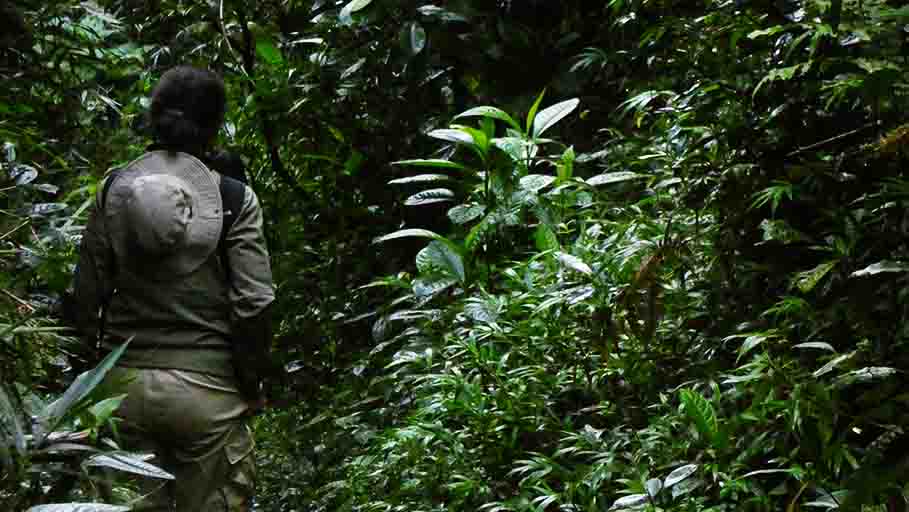
Conservation & Responsible Wildlife Tourism.
Every Madagascar tours with us directly supports Madagascar’s conservation efforts. We partner with local communities and park authorities to ensure tourism benefits both people and wildlife.
Responsible Wildlife Viewing:
- Maintain 7-meter minimum distance from lemurs.
- strictly no feeding or touching animals in the parks and reserves.
- Quiet voices to minimize disturbance.
- Stay on marked trails to protect habitat.
Ready to Explore Madagascar’s Wildlife?
Your Madagascar wildlife tour is simple and straightforward. First, contact us to discuss your wildlife interests and travel dates. Subsequently, we’ll design a customized itinerary matching your preferences and budget. Our team responds within 24 hours with detailed proposals.
Booking Process:
- Initial consultation about your wildlife goals
- Customized itinerary proposal with pricing
- Flexible payment options available
- Pre-departure information and packing lists
- 24/7 support throughout your tour
Best Time to Book: We recommend booking 3-6 months in advance for peak season (June-September). However, last-minute bookings are sometimes possible during shoulder seasons. Early booking ensures availability of preferred accommodations and guarantees your ideal travel dates for optimal wildlife viewing.