The reptiles and amphibians
Fascinating Wildlife of Madagascar.
Madagascar is one of the most extraordinary destinations in the world for reptiles and amphibians, offering an unmatched level of endemism and biodiversity. Isolated for millions of years, the island has evolved into a living museum of evolution, making it a dream destination for every herpetologist and nature enthusiast.
A wildlife safari in Madagascar is not only about lemurs and birds, it is also an immersive journey into the hidden world of reptiles, frogs, and rare amphibians that exist nowhere else on Earth.
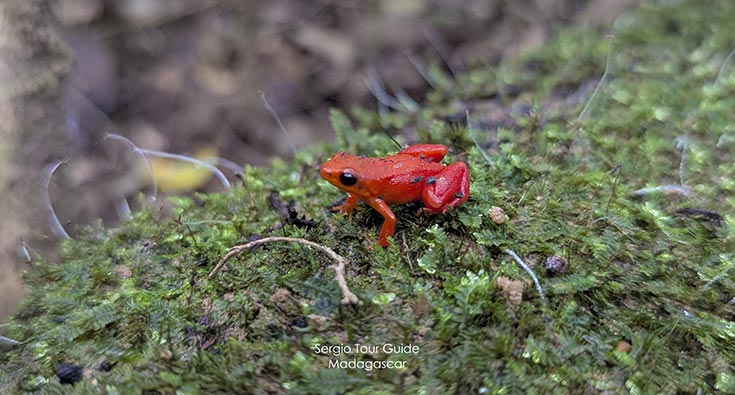
The Incredible Diversity of Reptiles and Amphibians in Madagascar:
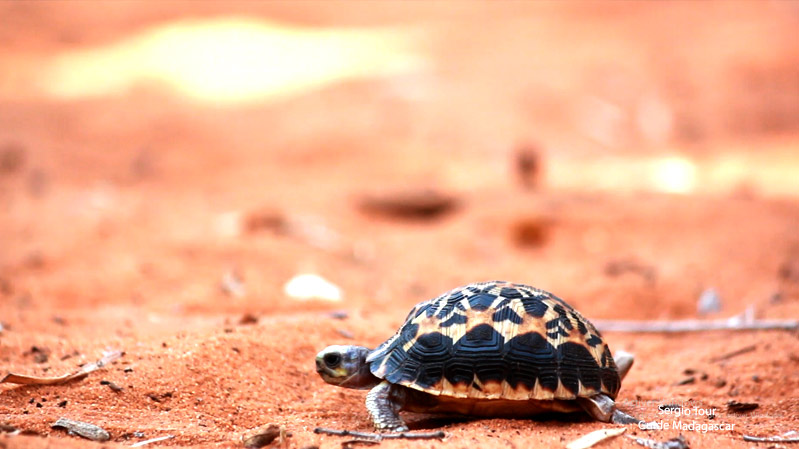
chameleons, snakes, lizards, amphibian, tortoises, and geckos.
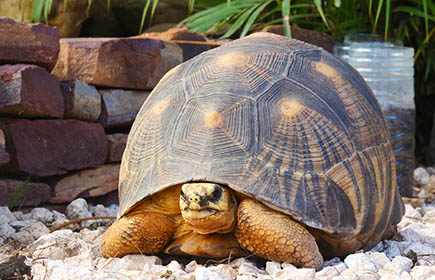
The island hosts a remarkable range of reptiles and amphibians (read more) , including chameleons, snakes, lizards, geckos, frogs, and tortoises. Many of these species are endemic, meaning they are found only in Madagascar.
For any herpetologist, this diversity represents a natural laboratory of evolution. Even a simple wildlife safari through the rainforest or dry forest can reveal species new to science or rarely seen in the wild. Madagascar’s isolation has allowed reptiles and amphibians to evolve unique adaptations, making every encounter unforgettable.
Chameleons:
The Masters of Evolutionary Herping:
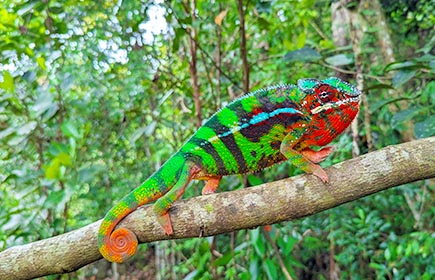
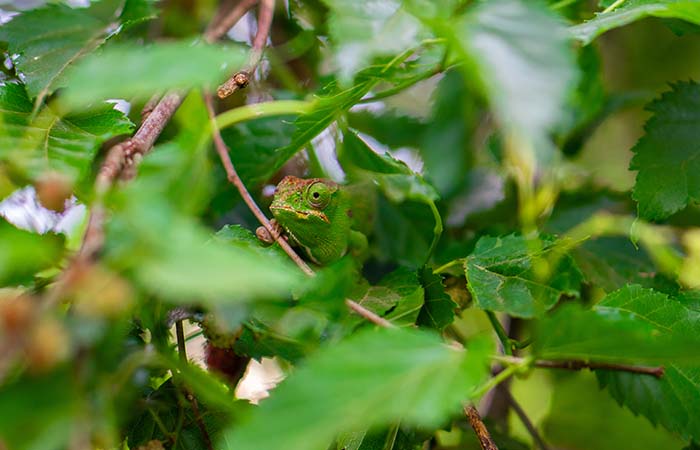
Madagascar is home to nearly half of the world’s Chameleons species, making it a global hotspot for reptiles and amphibians observation.
Iconic species such as the Panther Chameleon (Furcifer pardalis) and the tiny Brookesia micra, demonstrate extreme evolutionary adaptation. Their ability to change color, combined with independently moving eyes and rapid tongue projection, makes them one of the most fascinating groups in any wildlife safari.
For a herpetologist, chameleons represent one of the most studied and admired reptiles on the island.
Snakes of Madagascar:
Silent Members of Reptiles and Amphibians Fauna.
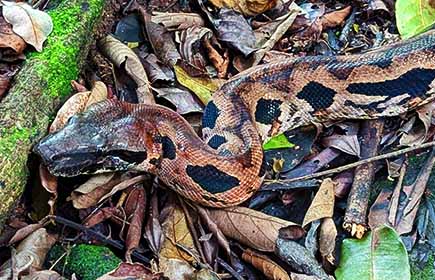
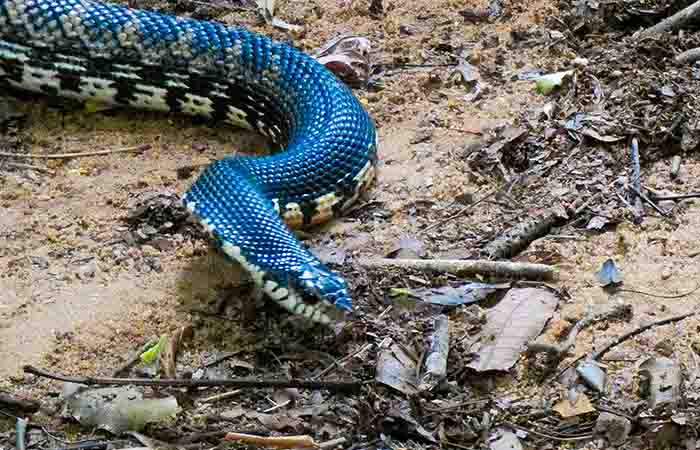
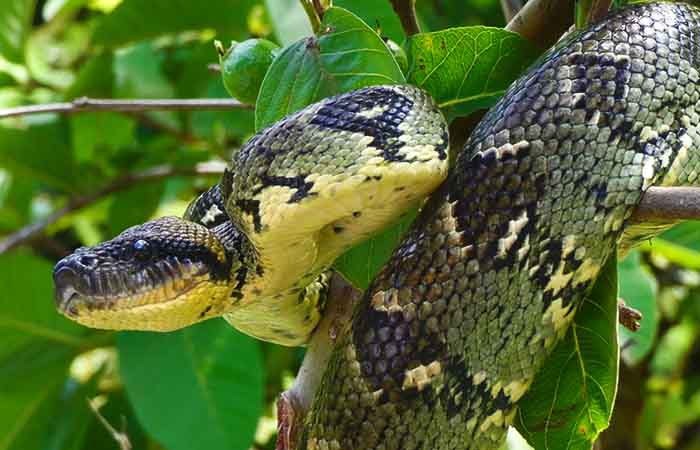
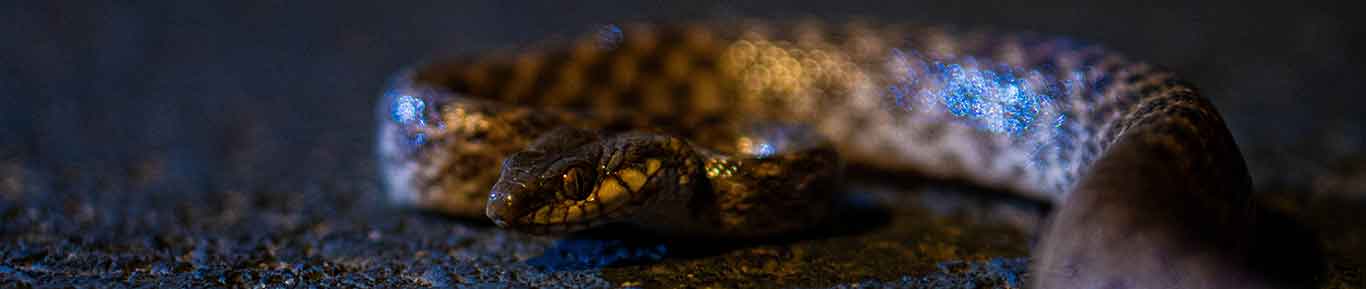
Madagascar’s snakes are often misunderstood but are a crucial part of the reptiles and amphibians ecosystem. Species such as the Malagasy Giant Hognose Snake and the Madagascar Tree Boa are harmless to humans.
These snakes are important predators that help regulate rodent and bird populations. During a wildlife safari, spotting one of these species is a rare but exciting moment, especially for any herpetologist studying island ecosystems.
Lizards:
Masters of Adaptation: Cryptic Creatures:
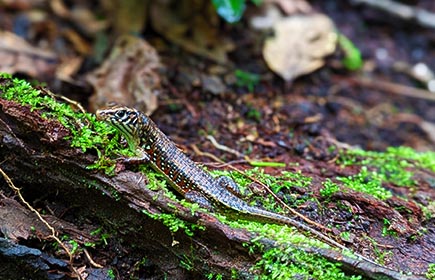
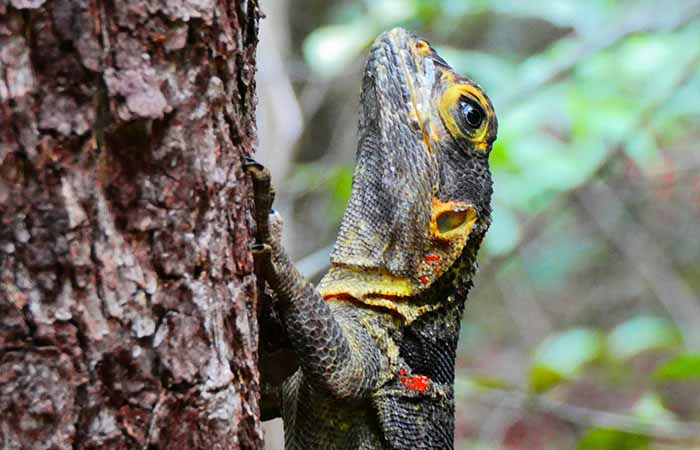
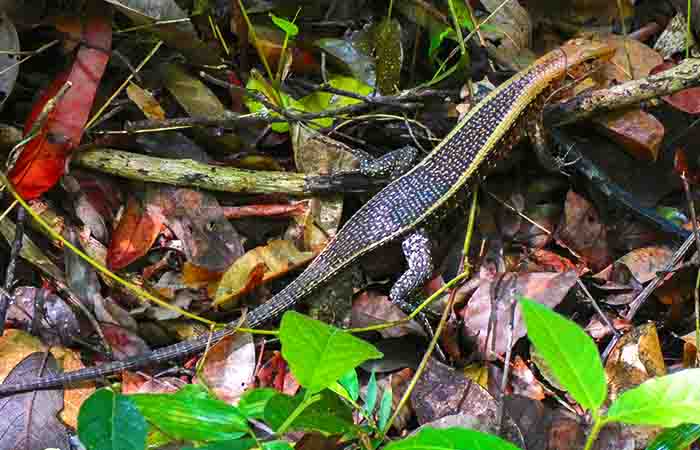
Lizards in Madagascar show incredible diversity, from colorful skinks to Malagasy iguanas. These reptiles and amphibians-related species occupy almost every habitat on the island.
They play a dual ecological role as both predator and prey, maintaining balance in the ecosystem. For a herpetologist, studying these lizards during a wildlife safari provides valuable insight into adaptation and survival strategies in changing environments.
Geckos:
Masters of Ccamouflage in reptiles and amphibians world.
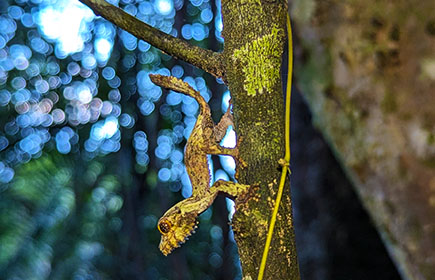
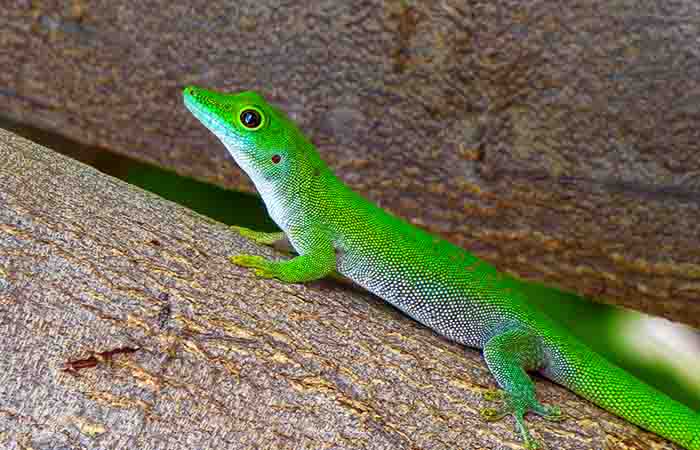
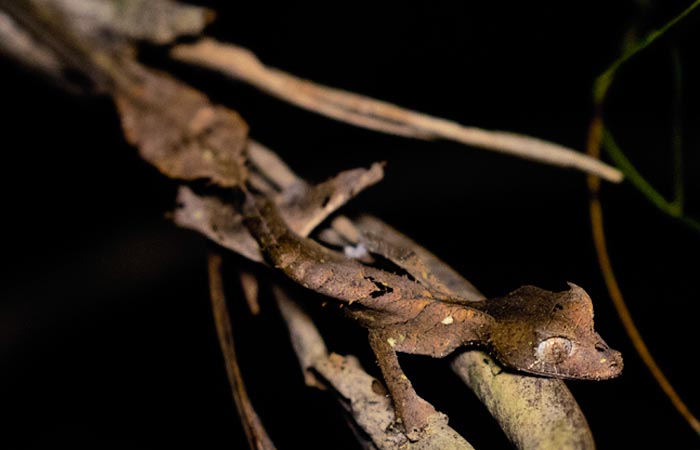
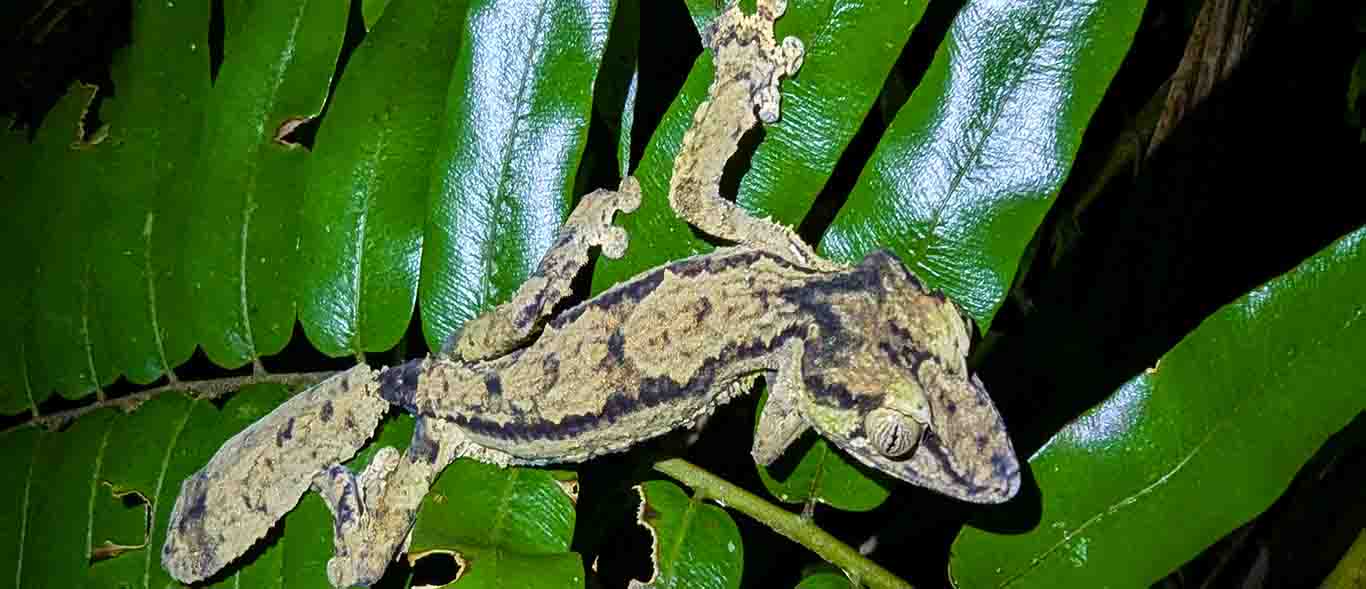
Madagascar’s geckos, especially the leaf-tailed gecko (Uroplatus), are among the most impressive examples of camouflage in the reptiles and amphibians group.
These nocturnal species use adhesive toe pads to climb trees and walls effortlessly. They are essential insect predators, helping control mosquito populations.
A wildlife safari at night often reveals their hidden world, where a herpetologist can observe rare behaviors and adaptations. Some geckos can even detach and regenerate their tails to escape predators, an extraordinary survival mechanism.
Amphibians and Rainforest Life in Madagascar.
The amphibian diversity in Madagascar is equally impressive. Frogs dominate humid places ecosystems and play a key role in insect control and environmental health.
For researchers professionals, amphibians are key indicators of ecosystem balance. Observing them during a wildlife activity often requires patience, as many species are nocturnal and highly sensitive to habitat changes.
Herpetologist Field Experience in Madagascar.
Madagascar is one of the most rewarding destinations for any herpetologist studying reptiles and amphibians. With more than 90% of species being endemic, the island is considered a global hotspot for herpetology research.
The most immersive way to experience this biodiversity is through a true wildlife safari in remote regions such as Marojejy, Andasibe, Loky-Manambato, and Anjanaharibe-Sud.
Camping in the wild allows researchers and travelers to observe nocturnal reptiles and amphibians at peak activity. Unlike hotels, field camping offers direct access to natural habitats, increasing the chance of discovering rare species.
For a herpetologist, this deep immersion transforms a simple trip into a scientific and emotional experience.
Choosing a tailored, low-impact expedition across this unique micro-continent ensures a seamless journey into the heart of evolution. Far more than simply ticking species off a checklist, our itineraries are strategically designed around seasonal wildlife behaviours, offering you unprecedented access to courtship displays and nesting periods. Every morning trek and captivating night walk is fully optimised for patient field observation and high-end photography. By bridging deep academic herpetology with responsible ecotourism, we turn your travel dreams into reality while directly supporting ongoing community conservation efforts that protect these fragile habitats. Let us unveil the extraordinary wonders of Madagascar together.