Wildlife Tour Madagascar
Nature Tour Madagascar offers immersive wildlife tours.
Explore the Biodiversity of Madagascar with Us:
Are you planning an immersive journey to witness Earth’s most extraordinary evolutionary wonders? A professional wildlife tour madagascar offers an unparalleled adventure into a world where nature has evolved in complete isolation. Known globally as a biodiversity megazone, this island promises unforgettable encounters for researchers, photographers, and passionate eco-travelers alike. By exploring our dedicated wildlife insights, you will understand why the unique fauna and flora of this destination make it a top priority for global conservation.
The Botanical Kingdom: From Rare Orchids to the Baobab Tree.
Madagascar’s diverse microclimates host a staggering array of plant life. Over 80% of the island’s 14,000 botanical species are entirely endemic, making every forest trek a walk through a prehistoric landscape.
The Majestic Baobab Tree:
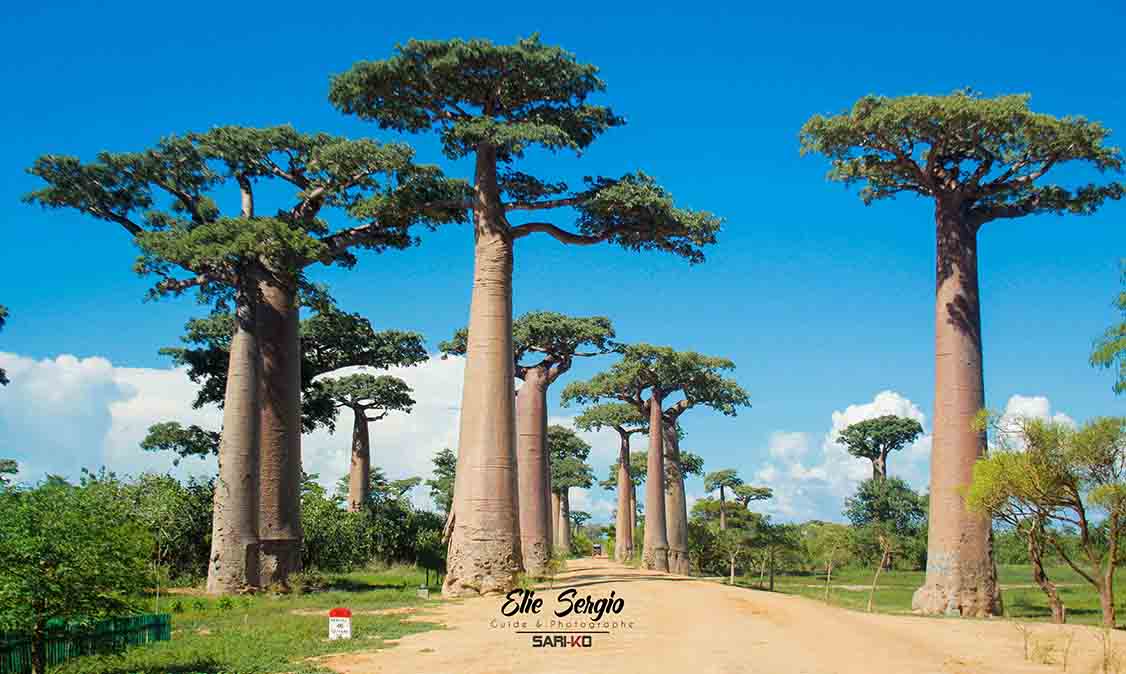
Standing before an ancient baobab tree is a defining moment of any expedition to Madagascar. These iconic, massive trees have perfectly adapted to arid western climates, serving as vital ecological pillars and creating one of the world’s most distinctive landscapes. Exceptional concentrations of these giants can be observed along the famous Avenue of the Baobabs in Morondava, as well as the unique species found in the northern deciduous dry forests around Diego Suarez.
Medicinal Vegetation and Succulents:
From the bizarre, thorns-covered spiny forests of the south to delicate, hidden tropical orchids in the eastern rainforests, the island’s plant life offers incredible natural remedies and survival adaptations.
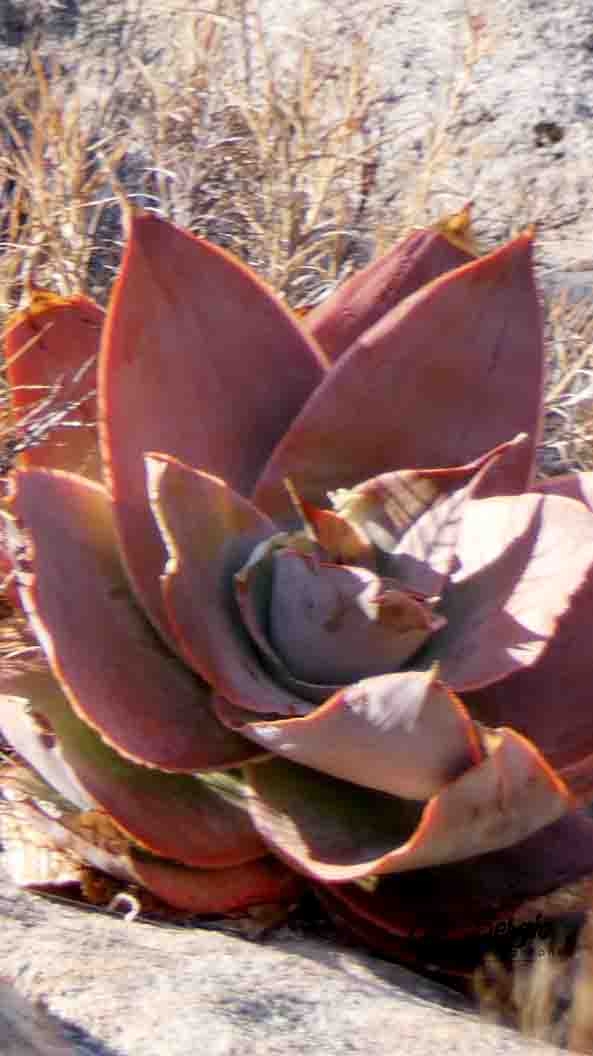

Species of the genus Pachypodium display fascinating water-retaining trunks adapted to survive harsh regional droughts.
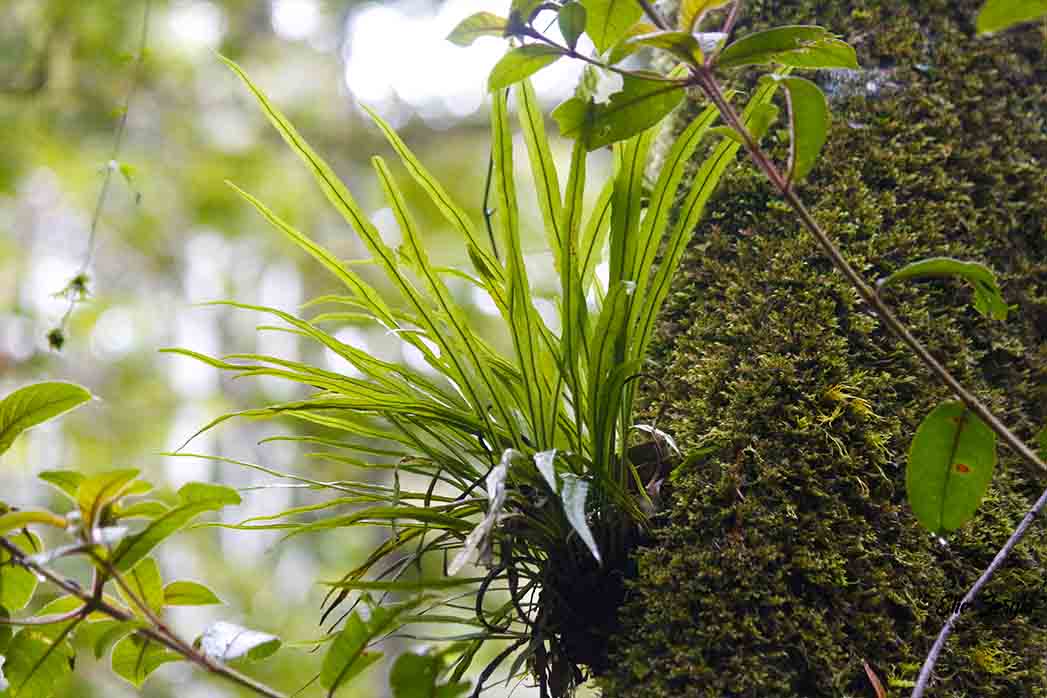
Hidden deep within the eastern rainforests, the delicate tropical Orchids thrive as a testament to the island’s incredible botanical diversity. While some plants adapt to survive harsh droughts, these unique orchids showcase the softer, more intricate side of Madagascar’s natural remedies and survival adaptations.
Endemic Mammals: Lemurs in Madagascar:
For animal lovers, the island’s evolutionary history has produced some of the most fascinating primates on our planet. These creatures have filled diverse ecological niches across the country’s national parks.
Spotting Endemic Lemurs in Madagascar:
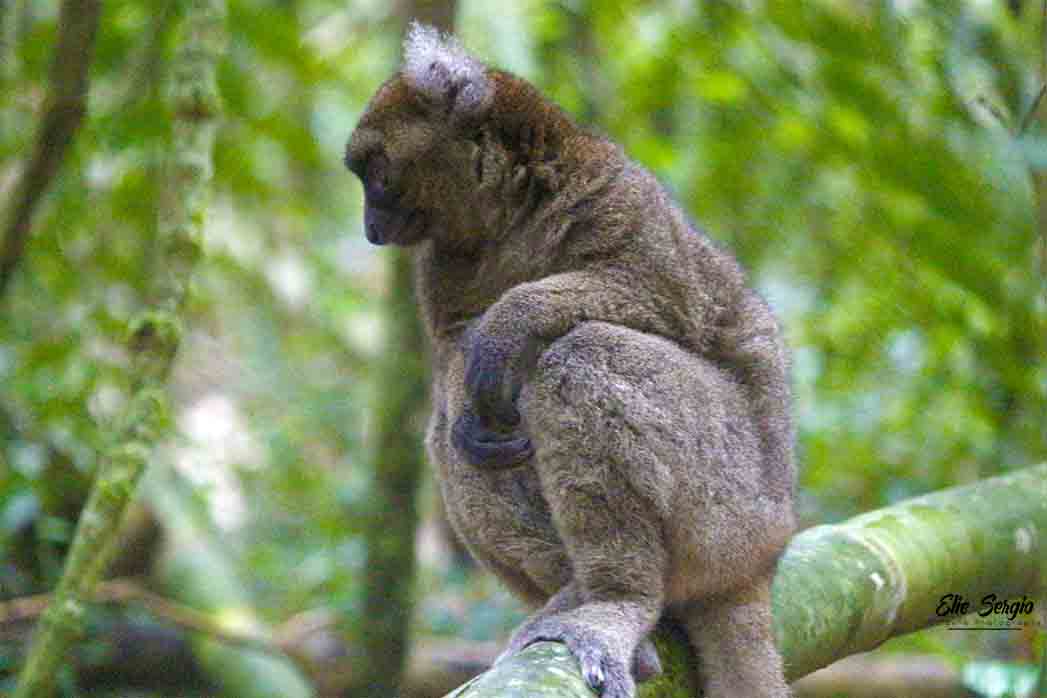
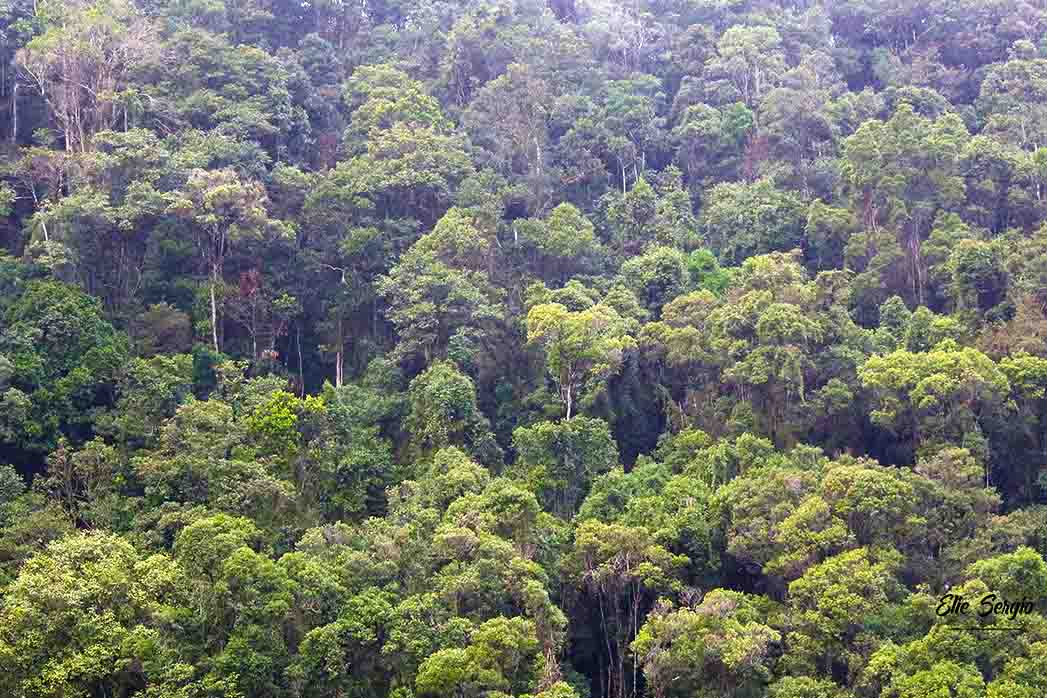
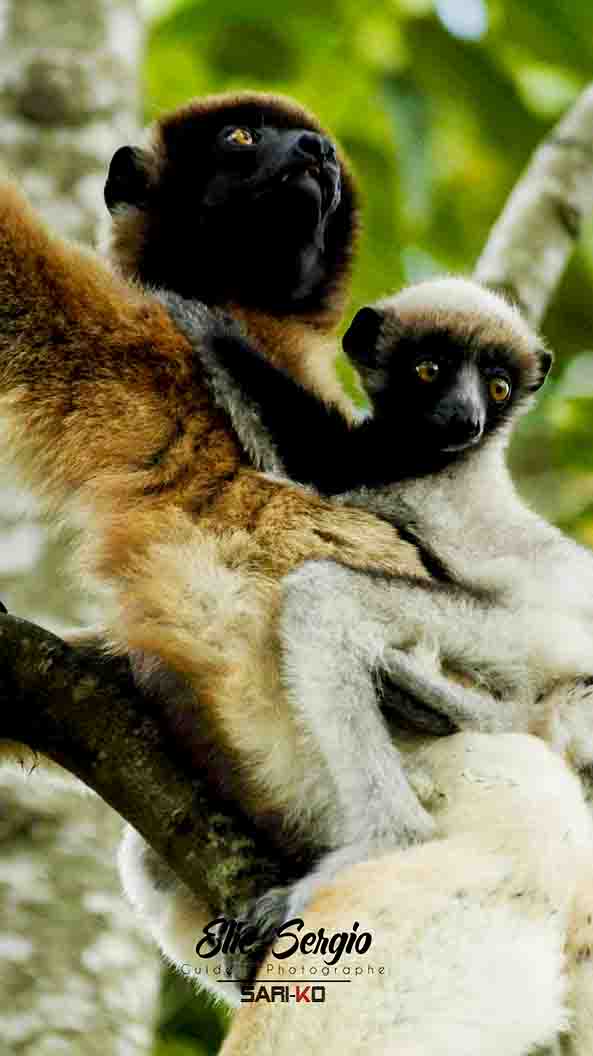
Without a doubt, observing lemurs in Madagascar is the main highlight of our nature expeditions. Our specialized tracking takes you deep into the misty, primary canopies of the eastern rainforests and dense mountain terrains. In the Andasibe–Mantadia Special Reserve and its surrounding area, you will hear the haunting, echoing songs of the large Indri indri as they defend their territory. Venturing further into Ranomafana National Park allows travelers to spot the critically endangered Golden Bamboo Lemur. For the adventurous, night walks reveal the small, wide-eyed nocturnal mouse lemurs navigating the dense branches.
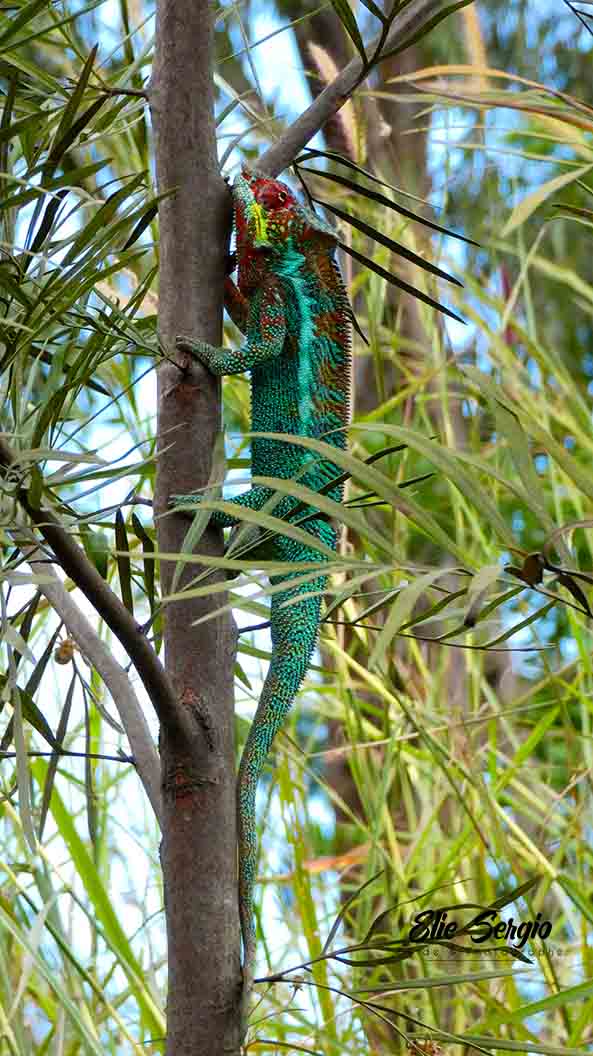
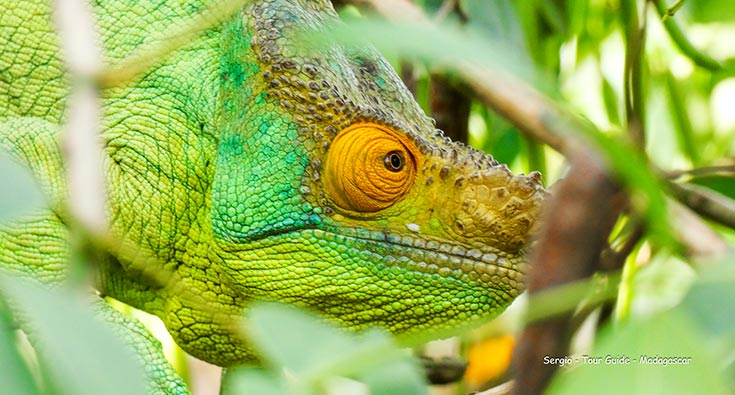
Equally intriguing are Madagascar’s chameleons. The island is home to more than half of the world’s chameleon species, including the smallest, the Brookesia micra, and one of the largest, the Parson’s chameleon (Calumma parsonii). These reptiles are masters of camouflage and can change color to blend into their surroundings or communicate with others.
Reptiles and Amphibians: Your guided chameleon tour:
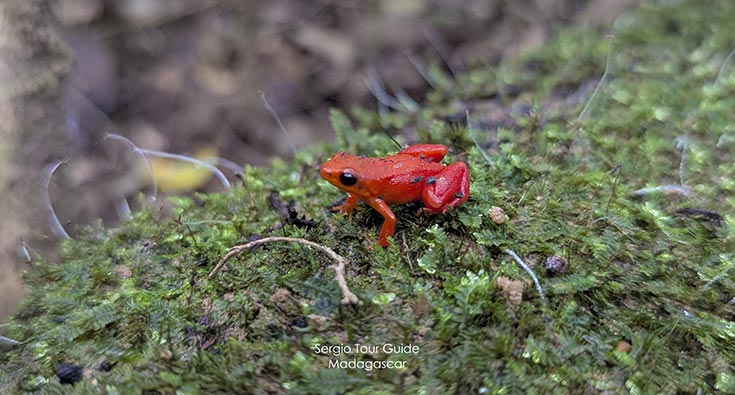
Madagascar is an absolute paradise for herpetology enthusiasts, housing nearly half of the world’s known chameleon species along with spectacular leaf-tailed geckos and colorful frogs.
When you book a dedicated chameleon tour with our expert spotters, you will learn the art of finding true masters of camouflage. Our itineraries are specifically tailored to help you spot and photograph these amazing reptiles across different habitats:
- The Giant: The massive Parson yellow giant (Calumma parsoni parsonii), which can effortlessly grow up to 80 centimeters long.
- The Miniature: The world-famous Brookesia micra, an incredibly tiny leaf chameleon hiding among the fallen leaves on the forest floor, so small it can comfortably sit on the tip of a human finger or a matchstick.
The Top Predator: Spotting the Elusive Fossa
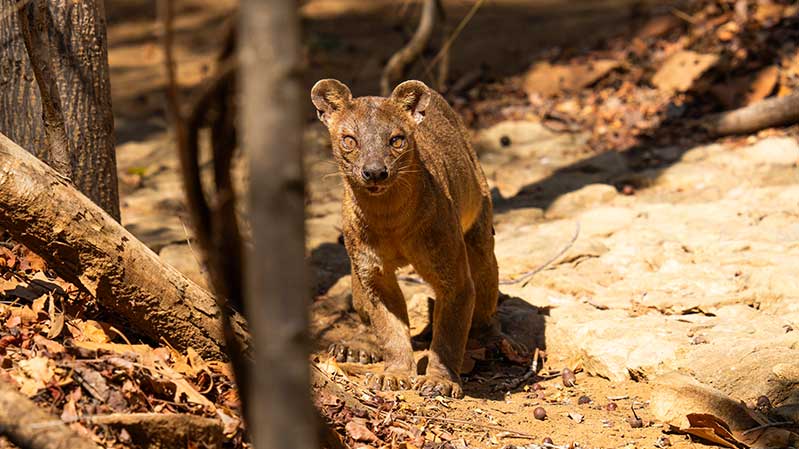
The fossa is Madagascar’s largest native carnivore and its top predator. Resembling a small cougar, this agile mammal is an exceptional climber and an efficient hunter, feeding mainly on lemurs as well as birds and other small vertebrates. Observing a fossa in the wild is among Madagascar’s most sought-after wildlife experiences, as this elusive species moves effortlessly through the forest canopy and is only rarely encountered.
Birdlife:
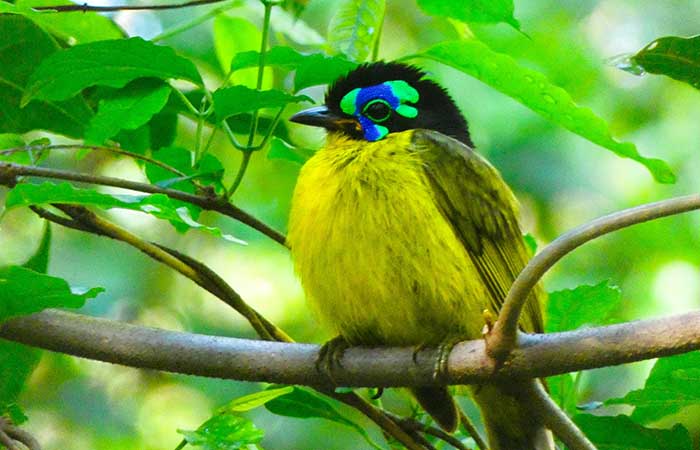
Madagascar is also a paradise for bird watchers. The island hosts a variety of endemic bird species, such as the Madagascar fish eagle and the velvet asity. These birds, many of which are critically endangered, contribute to the island’s rich tapestry of wildlife. To enjoy the best birdwatching experience, it’s important to choose the right season. October to November offers ideal conditions for spotting a wide range of bird species.
Avian Wonders: A Paradise for Bird Watchers
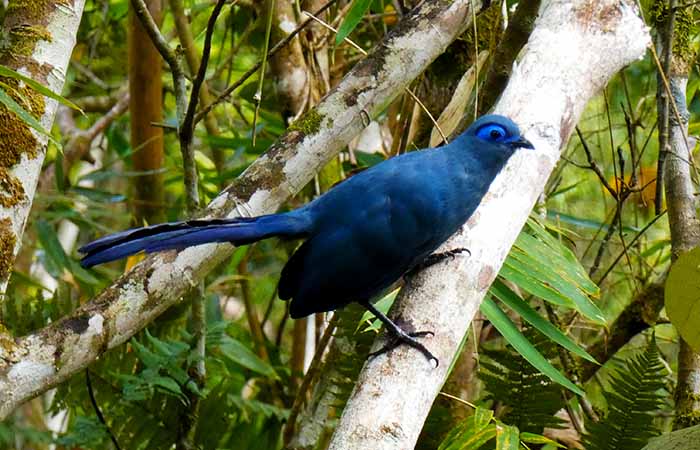
Beyond the ground-dwelling animals, the island is highly celebrated by international birding communities. Boasting over a hundred entirely endemic bird species, the diverse ecosystems offer spectacular sightings. Traveling during the optimal weather conditions of October and November provides the ultimate window to cross rare, brightly colored vangas, couas, and the elusive ground-rollers off your birding bucket list.
Beyond its ground-dwelling wildlife, the island is internationally renowned among birdwatching communities. With more than a hundred fully endemic bird species, its diverse ecosystems offer spectacular sightings. Traveling during the optimal months of October and November offers the best chance to spot rare, vividly colored vangas, couas, and elusive ground rollers, all of which are highlights of any birding bucket list.
Interdependence of Flora and Fauna:
Madagascar’s ecosystems rely on a delicate balance. Plants offer food, shelter, and breeding spaces, while animals contribute to reproduction through pollination and seed dispersal. The disappearance of even a single species can disrupt many others, highlighting the critical importance of preserving the island’s interconnected web of life.
Conservation Challenges:
Madagascar’s unique ecosystems are under threat from human activities. Habitat destruction, illegal wildlife trade, and climate change are the biggest challenges facing the island’s biodiversity. Despite these threats, there is hope. Conservation organizations, both local and international, are working tirelessly to protect Madagascar’s natural heritage.
Ecotourism plays a vital role in these efforts, providing funding for conservation projects and raising awareness among
visitors.